
If you want to get brand cited by ChatGPT and Perplexity, treat AI engines as a sales channel with their own ranking rules. Shoppers now ask assistants which wallet, supplement, or standing desk to buy, and the brands named in those answers win the sale before a Google results page ever loads.
At UR Local Marketing we build ecommerce AI search visibility for clients like Leather 1X and Nay International, and the playbook is repeatable: build the entity, mark up the products, earn reviews on platforms AI trusts, and run digital PR. This guide breaks down every step.
- Why AI Citations Matter for Ecommerce
- How ChatGPT and Perplexity Choose Brands
- How to Get Brand Cited by ChatGPT: 7 Proven Steps
- Ecommerce Proof: Leather 1X and Nay International
- How to Measure AI Search Visibility
- Get Brand Cited by ChatGPT: FAQ
Why AI Citations Matter for Ecommerce
ChatGPT now handles shopping queries directly, with product carousels, buying guides, and named brand recommendations. Perplexity does the same and displays its sources beside every answer. When a shopper asks for the best full grain leather wallet under 100 dollars, the engine names three to five brands. There is no page two. If your store is missing from that short list, you are invisible at the highest intent moment in the funnel.
These citations compound. Brands that appear in AI answers earn referral clicks, branded search growth, and trust that carries into Google results. Buyers arriving from an AI recommendation convert at a higher rate because the assistant already did the comparison for them. That is the prize when you get brand cited by ChatGPT consistently: fewer clicks, but far warmer ones.
How ChatGPT and Perplexity Choose Brands
Neither engine keeps a secret list of favorite brands. ChatGPT answers shopping prompts with a mix of training data and live retrieval through Bing, then leans on consensus: brands that multiple independent sources describe the same way. Perplexity retrieves live pages for nearly every query and cites the documents it actually read, which is why Perplexity citations skew toward review platforms, best-of roundups, Reddit threads, and well structured product pages.
In practice, both engines reward the same four signals. A clear brand entity that reads identically across the web. Product data marked up in schema so crawlers can parse price, availability, and ratings without guessing. Third party validation from reviews and press. And crawlable pages that load fast and answer questions in plain language. Miss any one of these and the model has less evidence to quote, so it defaults to bigger competitors.
How to Get Brand Cited by ChatGPT: 7 Proven Steps
This is the framework we use to get brand cited by ChatGPT for ecommerce clients, and the same engine behind our AI search optimization service in San Diego. Work the steps in order: entity first, schema second, validation third. Everything else builds on those three.
1. Build a Consistent Brand Entity
AI engines cite brands they can identify without ambiguity. Lock your brand name, founding date, product focus, and location into identical descriptions across your About page, Google Business Profile, LinkedIn, Crunchbase, and Wikidata where eligible. Use Organization schema with sameAs links connecting every profile. For Leather 1X, we rebuilt the entity footprint before anything else, because no amount of content works while an engine is unsure who the brand actually is.
2. Deploy Complete Product Schema
Mark up every product page with Product schema that includes price, currency, availability, GTIN or SKU, aggregateRating, and review markup. Perplexity in particular quotes structured fields when comparing products, and incomplete markup hands the citation to a competitor with cleaner data. Validate everything in Google’s Rich Results Test, then keep your feeds in sync so the schema never contradicts page copy. Conflicting data is the fastest way to lose machine trust.
3. Earn Reviews on Platforms AI Engines Trust
AI shopping recommendations lean heavily on third party review volume and sentiment. Prioritize the platforms engines retrieve most often:
- Google reviews tied to a verified Google Business Profile, which also anchors your entity
- Trustpilot, which both engines pull constantly for ecommerce trust queries
- Reddit threads in niche communities, a heavy Perplexity source
- On-site reviews through Judge.me, Yotpo, or Okendo, which power your aggregateRating schema

4. Run Digital PR for Third Party Mentions
Engines repeat what publishers say. Pitch product roundups, gift guides, founder stories, and original data to publications in your niche. One placement in a best-of list that Perplexity already cites is worth more than fifty generic backlinks. For Nay International, targeted PR in trade publications created the third party brand mentions AI engines needed before they would name the company in category answers.
5. Publish Comparison and Best-Of Content
When no trustworthy roundup exists for your category, publish one. Honest comparison pages that include competitors get retrieved because they match the exact question shoppers ask. Add spec tables, real pricing, and a clear verdict. Engines quote specifics, not adjectives, and they cite the page that did the comparison work for them.
6. Open Your Site to AI Crawlers
Check robots.txt for blocks on GPTBot, OAI-SearchBot, and PerplexityBot. Render product content server side so crawlers read it without executing JavaScript. Fast, semantic, crawlable pages follow the same fundamentals laid out in Google’s SEO starter guide. If your template buries specs inside scripts or tabs, fix the build. Our web design team structures ecommerce templates so Google and AI crawlers parse them on the first pass.
7. Give Engines Specifics Worth Quoting
Audit product and category copy for quotable facts: materials, dimensions, shipping times, warranty terms, sizing guidance. Vague copy gets skipped. A page that states full grain Italian leather, 90 day returns, and ships in 48 hours gives a model three concrete claims to repeat. This is the cheapest step on the list, and most stores still skip it.
Ecommerce Proof: Leather 1X and Nay International
Leather 1X came to us with strong products and near zero AI presence. We rebuilt the brand entity, deployed full Product schema across the catalog, and seeded reviews on the platforms listed above. The brand now appears in Perplexity citations for its core wallet and bag categories, and assistant referrals show up in analytics as branded search and direct traffic growth.
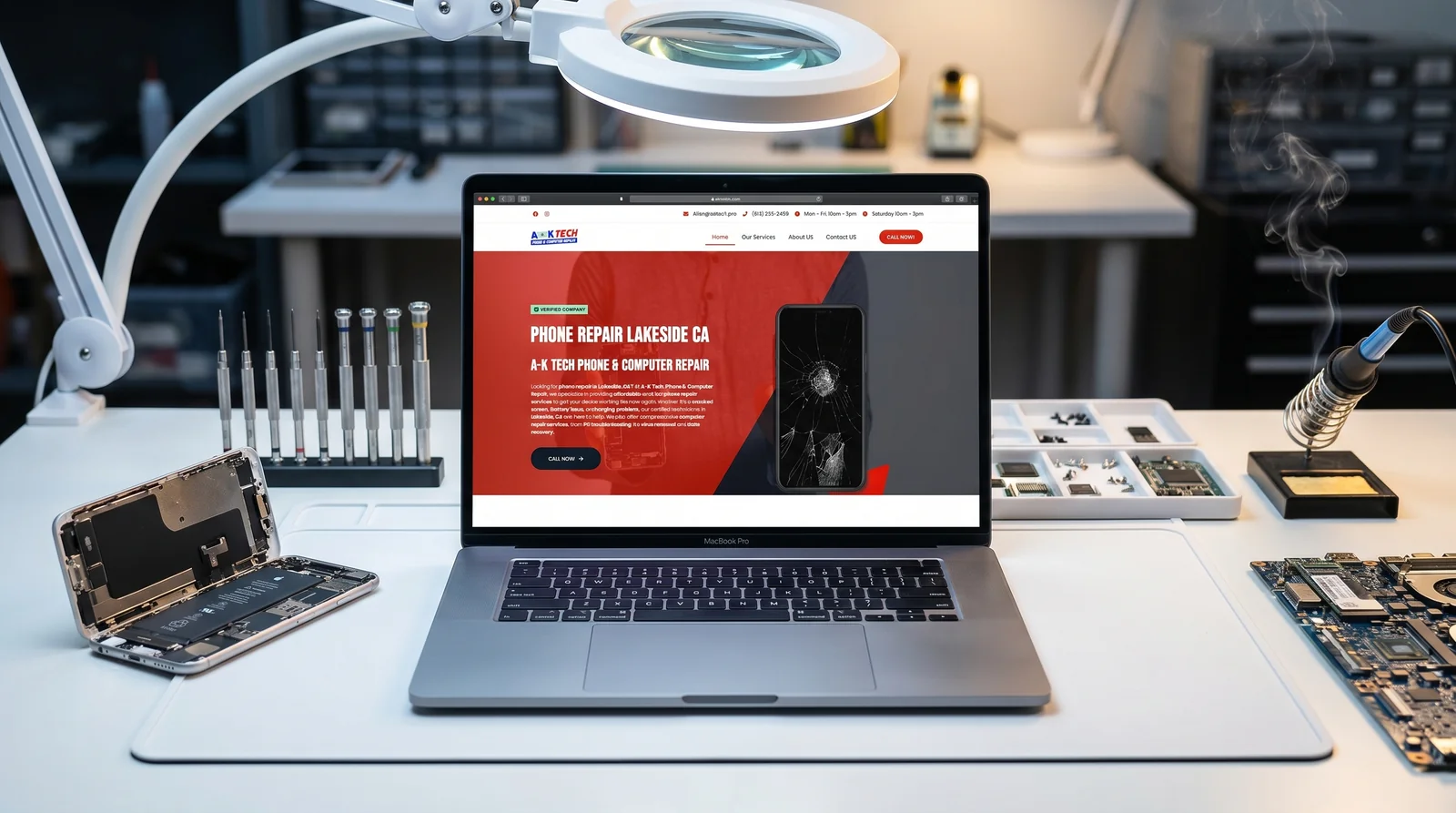
Nay International needed authority more than infrastructure. Digital PR placements gave engines third party language to quote, and category answers began naming the brand as those placements were crawled and indexed. The playbook to get brand cited by ChatGPT worked the same way for both: consistency first, validation second. It mirrors what we see locally, where A-K Tech El Cajon grew calls 150 percent once its entity and reviews finally aligned.
How to Measure AI Search Visibility
You cannot manage what you do not track. Run a fixed panel of 20 to 30 shopping prompts through ChatGPT and Perplexity each month, then log which brands get named and which sources get cited. Watch referral traffic from chatgpt.com and perplexity.ai in GA4, and monitor branded query growth in Search Console as a proxy for assistant driven demand.

Expect movement in waves rather than a steady climb. Citations often appear in clusters after a PR placement or schema rollout gets crawled, then stabilize. Track share of voice against two or three competitors so you know whether the category answer is actually changing or just rotating sources.
Get Brand Cited by ChatGPT: FAQ
How long does it take to get brand cited by ChatGPT?
Most ecommerce brands see first citations within 60 to 120 days. Perplexity moves faster because it retrieves live pages, so schema and review improvements can surface within weeks. ChatGPT answers that rely on training data take longer, while its live browsing mode responds on a timeline similar to Perplexity. Entity clarity and third party mentions are the usual bottlenecks, so fix those first.
Do I have to pay OpenAI or Perplexity to get cited?
No. Neither platform sells organic citations. Recommendations come from retrieval and model consensus, not ad budgets. Perplexity offers some sponsored placements, but they are labeled and separate from organic answers. Your budget works harder on schema, reviews, and digital PR, which influence the organic recommendation itself and keep paying off without ongoing media spend.
Which review platforms matter most for AI shopping recommendations?
Google reviews, Trustpilot, and Reddit carry the most retrieval weight for ecommerce, followed by niche authority sites in your category. On-site reviews count once they feed aggregateRating schema. Volume, recency, and written detail all matter. Twenty specific reviews describing product attributes beat two hundred star-only ratings, because engines quote written sentiment, not star math.
Does Product schema really influence Perplexity citations?
Yes. Perplexity parses structured data when comparing products, and complete markup makes price, availability, and ratings machine readable. Schema alone will not earn a citation, but broken or missing markup quietly disqualifies pages that would otherwise compete. Treat it as table stakes: validate your markup, then keep it synchronized with visible page content so the two never conflict.
Can a small ecommerce brand beat Amazon in AI answers?
Yes, in defined niches. Engines favor specificity, so a focused brand with a clear entity, detailed product data, and authentic reviews often beats marketplace listings for narrow queries. You will not displace Amazon on generic prompts, but for long tail asks like best handmade leather duffel, smaller brands win citations regularly. Niche depth is the advantage.
Want to see exactly where your store stands in AI answers? Request a free local visibility audit from UR Local Marketing and we will map your entity, schema, reviews, and citation gaps, then show you the fastest path to get brand cited by ChatGPT and Perplexity. Reach us through our 24/7 support page or call 888-252-0251, Monday through Friday, 9am to 6pm Pacific.